

The inherent desirability of fine watches is something that persists eternally.
Luxury watches have invariably exuded a singular appeal, serving as a representation of values that extend beyond the practicalities of time measurement. These pieces are characterized by their integration of artistic merit, structural design, and historical legacy, rendering them timeless assets highly regarded by collectors and enthusiasts. It is typically the meticulous attention to detail in their construction that ignites the fascination with luxury watches. The pursuit of excellence in watchmaking, a journey spanning centuries, has led brands such as Rolex, Patek Philippe, and Omega to excel, always prioritizing accuracy and consistent performance.
With every timepiece, a substantial amount of passion is invested; expert creators spend an enormous quantity of time meticulously shaping every characteristic, from the complicated inner workings to the buffed exterior panels.
The degree to which these watches are desired is significantly influenced by their pleasing visual characteristics. Classic styles embody a synthesis of dignified allure and cultured taste, which tends to preserve their importance as trends come and go. The perception of luxury is notably intensified through the strategic use of valuable materials like gold, platinum, and fine leather, coupled with the enhancement of their practical applications via unique complications, namely chronographs and perpetual calendars. More than just an accessory, possessing a luxury watch communicates a message about one's sense of style and level of success, typically offering insights into the wearer's identity and aesthetic sensibilities.
Furthermore, the enduring worth of these timepieces, encompassing both financial and emotional dimensions, is widely recognized. Tales of the past are told by these treasured heirlooms, which are frequently passed down through the ages. As our world becomes increasingly saturated with digital tools, the persistent charm of premium watches endures, speaking to the hearts of people who admire antiquity, cutting-edge development, and creative expression.
Gaining mastery over the concepts of watch movements and the advanced complications they present is highly beneficial.
More than just instruments for telling time, the watch movements and impressive complications are essential components contributing to the overall desirability and functional excellence of classic luxury watches. It is the movement, frequently considered the vital center of the watch, that orchestrates the motion of the hands and fuels any secondary functions. There are, in total, three main varieties of movement that we can observe: mechanical, automatic, and quartz. Within the realm of mechanical watches, the operation hinges on a robustly wound spring and a sophisticated system of gears, reflecting the meticulous craftsmanship and time-honored traditions associated with luxury timekeepers.
The wearer's innate physical energy is converted by automatic movements into the winding of the spring, thereby providing a distinguished fusion of enduring mechanical traditions and the user-friendly attribute of self-winding.
Complications are defined as the specialized features of a watch that provide functions beyond mere time indication. The comprehensive set of complications available can readily convert a simple timepiece into a remarkable, multifaceted device. When considering common complications, the date display, chronographs which are stopwatches, and dual time zones for the person who travels often come to mind. Beyond Click , consider the complexity found in lunar cycles, perpetual calendars designed to maintain date accuracy through varying month lengths and leap years, and tourbillons, devices engineered to negate gravitational influences for superior timekeeping.
With these features, the watch offers greater usefulness and, at the same time, conveys the watchmaker's high level of skill and artistic creativity. The sophisticated nature of classic luxury watches, with their complex movements and potential complications, invites a richer appreciation by demonstrating the remarkable union of artistic endeavor, meticulous engineering, and groundbreaking innovation.
An examination of the past narratives and influential careers of these fashion icons.
Upon venturing into the sphere of elite men's watches, the captivating draw of celebrated designs that have solidified their legacy in the pantheon of horological achievements is impossible to disregard. Beyond their role as accurate timekeeping devices, these watches embody both extravagant luxury and the persistent artistry of their construction. Of the esteemed watch models available, the Rolex Submariner distinguishes itself as a quintessential representation of sophisticated design and dependable functionality. Launched in the year 1953, it was heralded as the ultimate diver's timepiece, noted for its strong make and refined aesthetics.
The prestige of this item was significantly enhanced through its connection with celebrated cultural figures such as James Bond, which infused it with an atmosphere of daring and refinement.
With a storied past linked to space exploration, the Omega Speedmaster stands out as another legendary watch model. It was in 1957 that this watch was first presented, and subsequently, in 1969, it made history as the initial watch to be worn on the moon as part of the Apollo 11 mission. With its perfect amalgamation of technical exactness and ageless design, the Speedmaster has earned its esteemed position in watchmaking's narrative. A paradigm shift in luxury sports watches occurred in 1976 with the Patek Philippe Nautilus, celebrated for its recognizable porthole-inspired silhouette and stainless steel material, establishing a flawless marriage of style and longevity.
These celebrated models, embodying the profound history and pioneering ingenuity of their parent companies, retain their power to enthrall a wide audience of collectors and passionate followers. The stories of these artisans, defined by their trailblazing successes and perpetual attractiveness, establish them as lasting icons of opulence and supreme skill in watch creation.
# Materials And Craftsmanship
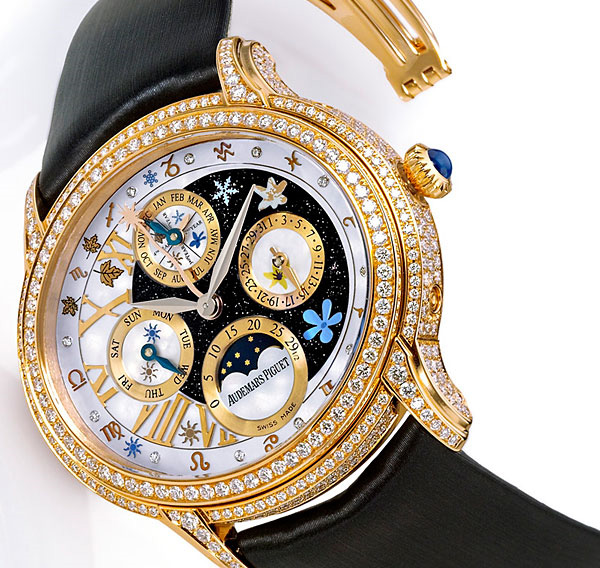
The allure of high-end men's watches is deeply rooted in their construction and the materials employed, presenting themselves as everlasting emblems of refinement and exactitude. Durable and lustrous, metals such as gold, platinum, and titanium are commonly found in these timepieces. While platinum boasts superior toughness and a gentle, shining surface, gold is frequently chosen due to its inherent warmth and its appeal that transcends time, embodying a classic preference.
With its appealing combination of being lightweight and exceptionally robust, titanium is experiencing a surge in popularity due to the equilibrium it strikes between strength and wrist comfort.
Achieving excellence in luxury watchmaking requires a thorough intermingling of customary approaches and progressive ideas. In the realm of haute horlogerie, master artisans dedicate an immeasurable amount of time to the precise refinement of every single part, from the complex internal workings to the elegantly finished exteriors. Numerous examples of these watches exhibit mechanical movements, often the result of dedicated handcrafting, and are lauded for their profound precision and inherent endurance. Hundreds of small, intricate parts can be integral to the manufacturing sequence, with an unwavering focus on detail to achieve unblemished functionality and visual appeal.
With enamel or mother-of-pearl often adorning dials, adding depth and character, these delicate artistic creations are kept safe by sapphire crystal, a virtually diamond-hard and scratch-resistant material. Every watch stands as a declaration of horology's finest achievements, encapsulating a rich history of skilled handiwork that endures throughout numerous generations. By utilizing these choice materials and engaging in thorough operational methods, we produce watches that are significantly more than time-telling devices, but are instead enduring objects of art and masterful engineering.
The selection of a watch that brilliantly matches your personal sensibilities is a key factor.
Embarking on the quest for the ideal timepiece constitutes a deeply personal expedition, a clear manifestation of your aesthetic sensibilities, daily routines, and individual inclinations. The functional aspect of a watch is a vital piece of information to consider during its procurement. When it comes to timepieces, are you in need of one for constant, daily wear, or a distinguished piece for when special occasions arise? When selecting a watch for everyday use, prioritize durability and comfort, and consider options with features like water resistance. In the context of important functions, a time-honored luxury vehicle, celebrated for its dignified aura and classic styling, could be your inclination.
Next in sequence, examine the timepiece's overall look and the components it is made from. Between the practical nature of stainless steel and the chic allure of a leather band, which do you find more appealing? The design of the watch face offers options: a minimalist look for those who prefer to keep things subtle, or a chronograph or moonphase for those who enjoy greater complexity.
Size and fit are crucial. The proper fit for a watch means it rests comfortably, its case size and strap in a pleasing ratio to your wrist's measurements. Study the various commercial identities and the particular traits that are their hallmark. Reliability coupled with a substantial historical background is a hallmark of famous brands, frequently leading to an increased sense of sentimental attachment to your acquisition.
Budget is also a factor. Design a frontier that aligns with your existing aptitudes and long-term visions, achieving a balance between your hopes and practical realities. Essentially, the watch that is right for you should create a personal connection, aligning with the person you are and the person you wish to be.
# Investment Value And Collectibility
In the realm of exclusive wristwatches, their charm reaches further than just their outward appearance and the quality of their build; a multitude of keen followers and accumulators are enticed by the possibility of them becoming valuable assets and their desirability as collectible objects. Due to their consistent ability to maintain or increase in financial worth, classic watches offered by revered names such as Rolex, Patek Philippe, and Audemars Piguet are highly sought-after assets for investors.
Several contributing elements affect how much an investment in a watch is worth. A watch becomes significantly more desirable because of its limited production, its historical narrative, and the prestige that its brand commands. Models like the renowned Rolex Submariner or the iconic Patek Philippe Nautilus, which have a documented history of consistent upward price trends, are frequently identified as secure investment prospects. When original documentation and packaging are present, the market price of scarce and well-maintained models tends to escalate considerably as time advances.
Collectibility has a substantial impact on whether a watch can be considered a good investment. Enthusiasts are prone to actively searching for uncommon publications or classic artifacts that showcase particular traits, such as defunct dial designs or pioneering movement concepts. The potential for a watch to be highly collectible is considerably augmented by its provenance, particularly if it was once in the possession of a notable person or featured in important historical occurrences. The sophisticated world of luxury watch investment is attractive because it skillfully intertwines a collector's passion with the tangible potential for financial appreciation.